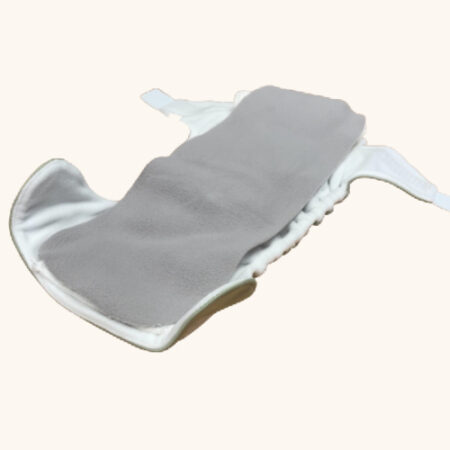
Lanolin, the natural wonder ingredient with a plethora of uses for skincare, haircare, and household maintenance and the magic component to watereproofing your cloth nappy wool covers. In this article, we'll delve into the numerous benefits of lanolin and explore up to 20 practical ways to incorporate it into your daily routine. Discover just how good this magic product can be.
The Wonders of Lanolin: Benefits and Versatile Uses for Everyday Life
In the realm of natural remedies and skincare, few substances hold as much versatility and efficacy as lanolin. Derived from sheep’s wool, lanolin is a waxy substance known for its moisturizing and protective properties. Often hailed as nature’s own moisturizer, lanolin has been utilized for centuries due to its remarkable benefits for the skin, hair, and various household applications.
What is lanolin?
Lanolin, also referred to as wool wax or wool grease, is a natural substance secreted by the sebaceous glands of sheep to coat their wool and skin. It is extracted from the wool during the process of washing the fleece, where it forms a sticky residue. Once purified, lanolin becomes a versatile and highly beneficial ingredient in various skincare and household products.
Benefits of Lanolin:
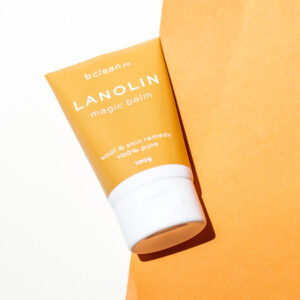
Intense Moisturisation: Lanolin is renowned for its ability to deeply moisturise the skin, making it an ideal solution for dry, rough, or cracked skin.
Natural Emollient: It acts as a natural emollient, softening the skin and restoring its suppleness.
Skin Protection: Lanolin forms a protective barrier on the skin, shielding it from external irritants and harsh weather conditions.
Healing Properties: It aids in soothing and healing minor cuts, burns, and abrasions, promoting faster wound healing.
Hypoallergenic: Lanolin is hypoallergenic, making it suitable for individuals with sensitive skin or allergies.
Versatility: Its versatility extends beyond skincare, with numerous household uses and applications.
20 Different Uses for Lanolin at home
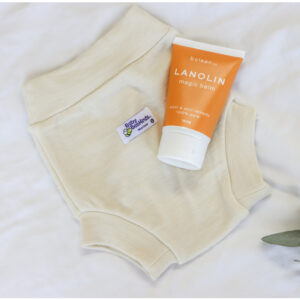
Asides from waterproof your wool nappy covers make the most of this wonderful naturally occuring balm. Learn how to lanolise your wool covers here in this guide.
Lip Balm: Create a nourishing lip balm by combining lanolin with beeswax and essential oils for added fragrance.
Hand Cream: Whip lanolin into a rich hand cream to combat dryness and roughness, especially during the winter months.
Cuticle Softener: Massage lanolin into the cuticles to soften and moisturize them, promoting healthy nail growth.
Foot Treatment: Apply lanolin to dry, cracked heels and feet to hydrate and soften the skin, restoring smoothness.
Diaper Rash Cream: Lanolin’s soothing properties make it an excellent natural remedy for treating diaper rash in babies & its thick application means it will stay on the skin for longer than normal creams.
Nipple Cream: Nursing mothers can use lanolin to soothe and protect sore or cracked nipples during breastfeeding. Our lanolin is 100% pure, pharmaceutical grade and this the only type of lanolin suitable for breastfeeding.
Hair Mask: Mix lanolin with coconut oil or argan oil for a nourishing hair mask that revitalises dry, damaged hair.
Leather Conditioner: Lanolin can be used to condition and protect leather furniture, shoes, and accessories, restoring their luster.
Wood Polish: Create a homemade wood polish by combining lanolin with vinegar or olive oil to nourish and shine wooden surfaces.
Metal Lubricant: Apply lanolin to metal hinges, locks, and tools to lubricate and prevent rust and corrosion.
Tattoo Aftercare: Lanolin’s moisturising properties make it ideal for soothing and protecting newly inked tattoos.
Chapped Skin Relief: Rub lanolin onto chapped elbows, knees, and heels to relieve discomfort and promote healing.
Eczema Treatment: Lanolin can help soothe the symptoms of eczema by moisturising and protecting inflamed skin.
Soothe Sunburn: Apply lanolin to sunburned skin to alleviate pain, reduce redness, and prevent peeling.
Makeup Remover: Use lanolin as a natural makeup remover to gently dissolve makeup while moisturizing the skin.
Rust Prevention: Coat metal tools and outdoor equipment with lanolin to protect them from rust and corrosion.
Leather Polish: Buff lanolin onto leather shoes to restore shine and protect them from water damage.
Protect Garden Tools: Apply lanolin to garden tools to prevent rust and keep them in optimal condition.
Saddle Conditioner: Maintain the quality of leather saddles and tack by conditioning them with lanolin.
Pet Paw Balm: Protect pets’ paws from dryness and cracking by applying lanolin to soothe and moisturise.
Lanolin is a remarkable natural ingredient with numerous benefits for skincare, haircare, and household use. From moisturising dry skin to protecting leather goods, lanolin’s versatility and effectiveness make it a staple in any home. Incorporating lanolin into your daily routine can lead to healthier, softer skin and a more nourished and vibrant household overall. We love this 100% Australian sourced lanolin by B Clean Co.